“A few weeks ago we ran a community English as an Additional Language (EAL) event. Before the day kicked off, I spent breakfast walking round the room, getting to know delegates and asking them about the specific EAL challenges they were dealing with in their schools.
Whenever I spend time with EAL professionals, it always hits me how dedicated and emotionally invested they are in their students. You can feel it. What struck me just as much that morning, though, was how overwhelmed many of them felt. The challenge felt relentless, and they were all searching for a better way — for themselves, their schools and most of all their students.
The question I get asked all the time is: can education technology genuinely help with that? My honest answer is yes, but not in the way people often expect.
Where education technology can lighten the load
When we talk about education technology saving teachers time in EAL, it’s easy to jump to a vision of automation doing the work that teachers currently do. I think that framing misses the point entirely. The biggest gap that good edtech and EAL teaching resources can close is certainly not replacing teacher expertise but reducing the friction around it.
Most EAL teachers and multilingualism leads I speak with understand language acquisition, know their learners and they can see exactly what a child needs. They just don’t have enough time to act on that knowledge consistently.
Think about what a teacher managing EAL support actually has to do:
- identify each learner’s proficiency level
- find or create resources tailored to that level, in that subject, for that lesson
- assess progress regularly across listening, speaking, reading and writing
- evidence that progress in a way that’s meaningful for parents, inspectors and school leaders
And they need to do all of this across dozens of learners, often while managing a full class of students with a wide range of other needs.
The scale of the time challenge in multilingual teaching
To accurately benchmark and track multilingual learners’ progress, English language proficiency assessments need completing for every multilingual student. The sheer volume of that task creates a bottleneck. When teachers are spending hours gathering data and marking responses manually, that’s time that can’t be spent on the high-quality interactions that actually move a learner forward.
This is where I think the conversation around EAL education technology needs to shift. The question shouldn’t be “what can this platform do?” but “how much time does it give teachers back, and what does that make possible?”
At FlashAcademy®, we’ve been focused on exactly this. Our AI-assisted marking was developed specifically because manual assessment was one of the biggest drains on teacher time in multilingual education.
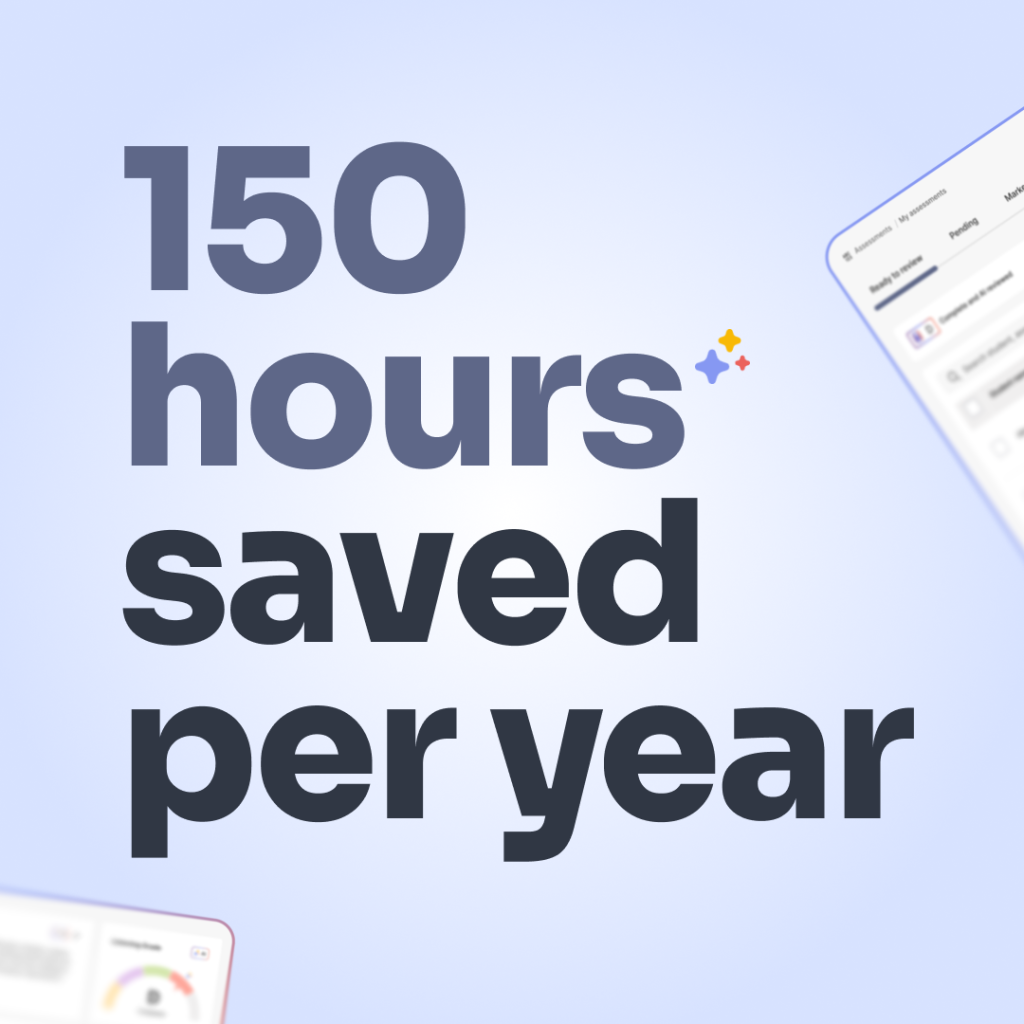
Across our schools, it saves an average of 150 hours per teacher per year. At The International School @ ParkCity Hanoi, the impact was even more striking: total assessment time fell by 84%, and assessment frequency doubled. The team were able to spend more time planning high-quality interventions and less time gathering the data.
That shift in how time is used is the real measure of whether technology is working – not the hours saved in isolation, but what those hours make possible.
EAL teaching resources that support consistent practice
The most powerful moment at our event wasn’t a product demo. It was an incredible headteacher who spoke after me and was generous enough to share their school’s EAL journey — how they’d approached the challenges and the specific, practical steps they’d taken. You could feel a weight lifting from so many in the room as they spoke.
Technology, including FlashAcademy®, was a significant part of what their school had implemented. But what made it work was that the technology was wrapped in something bigger: senior ownership, whole-school engagement, raising the profile of EAL across the school, a commitment to a clearer, more system-led way of tackling the challenge – and a bias to action. Small steps to start with, but steps that genuinely shifted things for teachers and students.
Strong EAL pedagogy exists. There are teachers doing extraordinary work with multilingual learners in classrooms across the UK and international schools. The problem is that this expertise tends to be concentrated in individuals rather than embedded in systems. When a skilled EAL coordinator leaves a school, or when a group tries to expand good practice from one school to twenty, the knowledge doesn’t automatically follow through.
Education technology, when designed well, makes strong practice more consistent and more scalable. A shared platform means that every teacher in an international school group or multi-academy trust has access to the same structured resources, the same assessment frameworks and the same data. A teacher in a school starting out supporting multilingual learners can be working from the same foundation as one in a school with years of established practice.
This is why we invest so heavily in making FlashAcademy® accessible to all teachers across a school, not just the EAL lead. Every teacher who has access to the teacher dashboard can see how a learner is progressing and becomes part of the provision. That whole-school shift in responsibility is something that strong edtech can actively enable, rather than simply support.
Edtech to assist, not replace skill
I want to be clear about something. I don’t believe technology is a substitute for well-trained, well-supported teachers. The evidence on what makes the biggest difference to multilingual learners consistently points to the quality of relationships, the responsiveness of teaching and the depth of professional understanding around language acquisition.
Education technology can remove the barriers that stop good teachers from doing their best work – handling the data gathering so teachers can translate the data into action. It can handle the marking so teachers can focus on the conversations and can make a learner’s progress visible across a whole school so that everyone who works with that child is working from the same picture.
This is why, when we talk about EAL technology at FlashAcademy®, we always come back to the human at the centre of it.
The platform isn’t the intervention – the teacher is. What we’re trying to do is make it as easy as possible for that teacher to deliver the kind of thoughtful, responsive, personalised support that multilingual learners need and deserve.
The best EAL edtech makes data management feel like part of teaching, not another job sitting on top of it.
What this means for schools and trusts
For school and trust or group leaders thinking about edtech for multilingual learners, I’d encourage one question above all others: does this make it easier or harder for our teachers to implement strong practice?
Tools that add reporting requirements without reducing workload elsewhere are unlikely to drive meaningful change. Tools that streamline the administrative burden while giving teachers clearer insight into learner needs have the potential to shift what’s possible across an entire organisation.
As more schools join multi-academy trusts and international school groups continue to grow, the need for consistent, scalable EAL provision is only going to increase. The multilingual learner population is growing globally and schools need an infrastructure that matches the scale of the challenge.
The research is clear that language proficiency has a profound impact on educational outcomes. Strand and Hessel’s research found that English proficiency accounts for up to 22 per cent of the variation in EAL pupils’ academic achievement, a far greater influence than factors such as gender or socio-economic status. The implications of that extend well beyond school.
Education technology that gives teachers the time and clarity to respond to that need is a crucial part of how we close the gap, but only as part of a wider commitment to better provision.
The way ahead: giving teachers time back
I started FlashAcademy® because I believe that no child should be held back by a language barrier. That belief hasn’t changed. What has deepened over the years is my understanding of how complex that challenge is for the teachers who work with multilingual learners every day.
What stayed with me from that morning at our event was the sense of relief in the room when people could see that a clearer, more structured approach was genuinely possible, and that it didn’t depend on one exhausted EAL lead carrying everything alone.
Education technology can’t remove the complexity of EAL, and it should never pretend to replace the relationships, judgement and responsiveness that great teachers bring. But it can help schools move from good intentions to consistent action. It can help strong practice travel beyond one classroom or one coordinator. And it can give teachers back time for the work that matters most: helping multilingual learners feel understood, supported and able to succeed.”
How FlashAcademy® can help
If you’d like to explore how FlashAcademy® supports teachers and school leaders to get time back to deliver quality EAL provision, you can learn more about our EAL solution below.