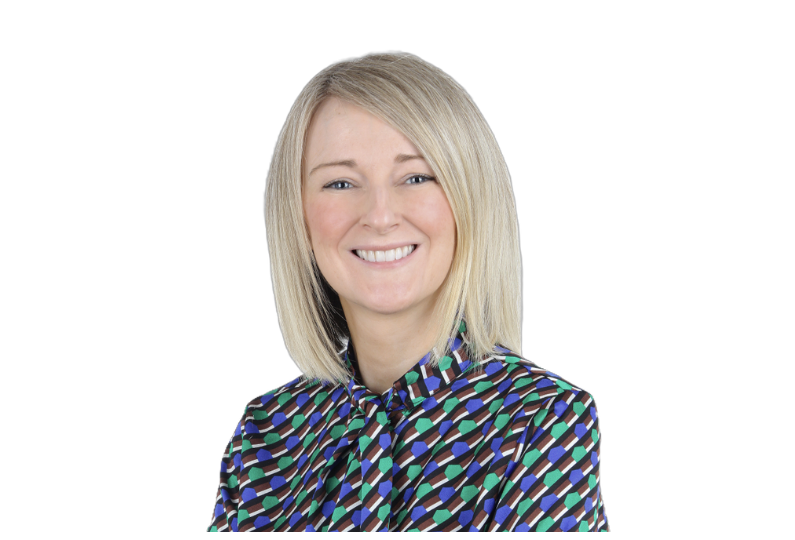
On language, identity and belonging in multilingual schools – guest blog by Gemma Donovan, Regional Head of Multilingualism- Middle East, International Schools Partnership (ISP).
Recently, in a post-school visit follow-up email, one word stayed with me long after I had left the classroom. It was the word dignity. It was not offered as a slogan or framed as a policy statement. It simply lingered and asked to be taken seriously.
Dignity in daily practice
It made me pause and reflect on what dignity truly means in a multilingual school, not in theory but in the daily exchanges between teachers, students and families. Education is, at its core, a deeply human endeavour. Each day we work alongside young people at formative moments in their lives, shaping not only what they learn but how they see themselves, influenced as they are by the languages present in their homes, communities and classrooms.
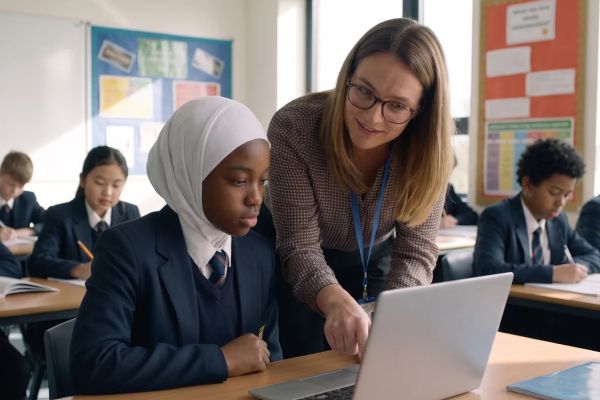
Across our ISP schools, we are actively embedding a multilingual habitus. Classrooms are intentionally language-aware spaces where students’ linguistic repertoires are recognised, supported and celebrated. That commitment matters because it shows up in planning, in leadership conversations and, most importantly, in how children experience themselves within school. Dignity is how that commitment becomes tangible.
In international settings, language is never simply a tool for accessing the curriculum. It carries memory, family, belonging and culture, shaping how a child thinks and how they interpret the world. When a student arrives speaking more than one language, they arrive with perspective and depth. To honour that is to protect their dignity.
Protecting dignity means seeing multilingual learners as capable individuals who are developing proficiency across languages. It means recognising their linguistic repertoire as strength. It means when they pause to search for vocabulary, we see effort, growth and courage rather than deficit.
Dignity often reveals itself in small moments, in the expression on a teacher’s face when a child is searching for the right word, in whether thinking time is genuinely protected, and in whether home languages are visible and audible parts of the learning environment rather than occasional cultural references.
Dignity and academic standards
In a system committed to learning and improving, dignity and standards are inseparable. Dignity is present in thoughtful planning, in teachers anticipating where language might become a barrier and designing scaffolds that maintain cognitive challenge.
It is evident in the deliberate development of academic language so that conversational fluency is not mistaken for mastery. It is reflected in the understanding that deep academic proficiency takes time to develop and requires patience, precision and sustained commitment. High expectations are strengthened when they are rooted in dignity.
Dignity is relational
Dignity is relational in nature. It can be seen in greeting a parent in their language, in ensuring communication is clear and accessible and in taking time to understand a family’s linguistic story before drawing conclusions. It is the difference between acknowledging diversity and actively valuing it.
In multilingual schools, dignity is visible every day in corridors where languages sit side by side, in classrooms where students move fluidly between languages to deepen understanding, in learners who act as language ambassadors for one another and in leaders who speak about multilingualism as an embedded strength within school culture.
When dignity is present, something shifts. Students carry themselves differently and participate sooner. They remain in the good struggle for longer because they feel secure enough to do so. It is within that sense of security that language grows.
Where confidence grows through dignity
We often speak about attainment and progress, and rightly so, but dignity invites a deeper question about who a child believes they are when they walk into our classroom.
If a multilingual learner ever experiences their language as a limitation rather than a strength it asks us to reflect on what we might strengthen. If they feel capable, even while still developing, then the foundations are strong.
In multilingual settings, the strategies and digital tools we choose should extend this commitment by supporting language growth while protecting identity and belonging. Dignity is not an initiative, a display or a themed week. It is not a slogan but a stance that shapes daily practice.
Within ISP, our shared ambition is for learners to flourish academically, socially and personally. That flourishing depends on identity feeling safe. When we protect a child’s dignity, we are not simply supporting their English development; we are nurturing their sense of self.
When identity feels secure, participation strengthens and learning deepens. In this way, schools become places where belonging is embedded in everyday practice. Multilingual education is not about English alone. It is about building schools where every child is seen fully, linguistically, culturally and academically. Where dignity is protected, confidence grows.
About Gemma Donovan
Regional Head of Multilingualism- Middle East, International Schools Partnership (ISP).
Gemma Donovan is an international educator and strategic leader with over 20 years of experience across Europe, Asia and the Middle East. Specialising in multilingualism, EAL/EMI leadership and school improvement, Gemma works to create inclusive, language-aware schools where all learners can thrive.
An award-winning presenter and international conference speaker, Gemma has developed professional learning programmes for Hachette Learning Academy and The National College, and contributed to ISC Research’s Shifting Demographics in International Classrooms 2025 white paper. Gemma is currently Regional Head of Multilingualism for ISP Middle East.